At Whitetail Residential, many of our customers are tired of the constant upkeep of a natural grass lawns, and are switching to artificial turf installation for a low-maintenance solution. A new artificial grass lawn offers a hassle free, cost effective, new lawn look; all year long.
It is important to have the right materials, tools, and expertise of the procedure before beginning the installation process. If you’re considering ditching your grass lawn for a lush artificial lawn, then we’ll guide you through our step-by-step process of installing artificial grass.
Benefits of an Artificial Lawn
Artificial grass is a fantastic solution for those seeking a beautiful lawn without the time-consuming maintenance. No longer will you have to worry about your grass dying and turning that awful brown color. Instead, enjoy a lush, green space without the hassle of mowing, watering, or fertilizing. Not only will you spend less time on typical grass maintenance, you won’t have to worry about weeds growing. We use high-quality artificial grass that is durable, low-maintenance, and environmentally friendly.
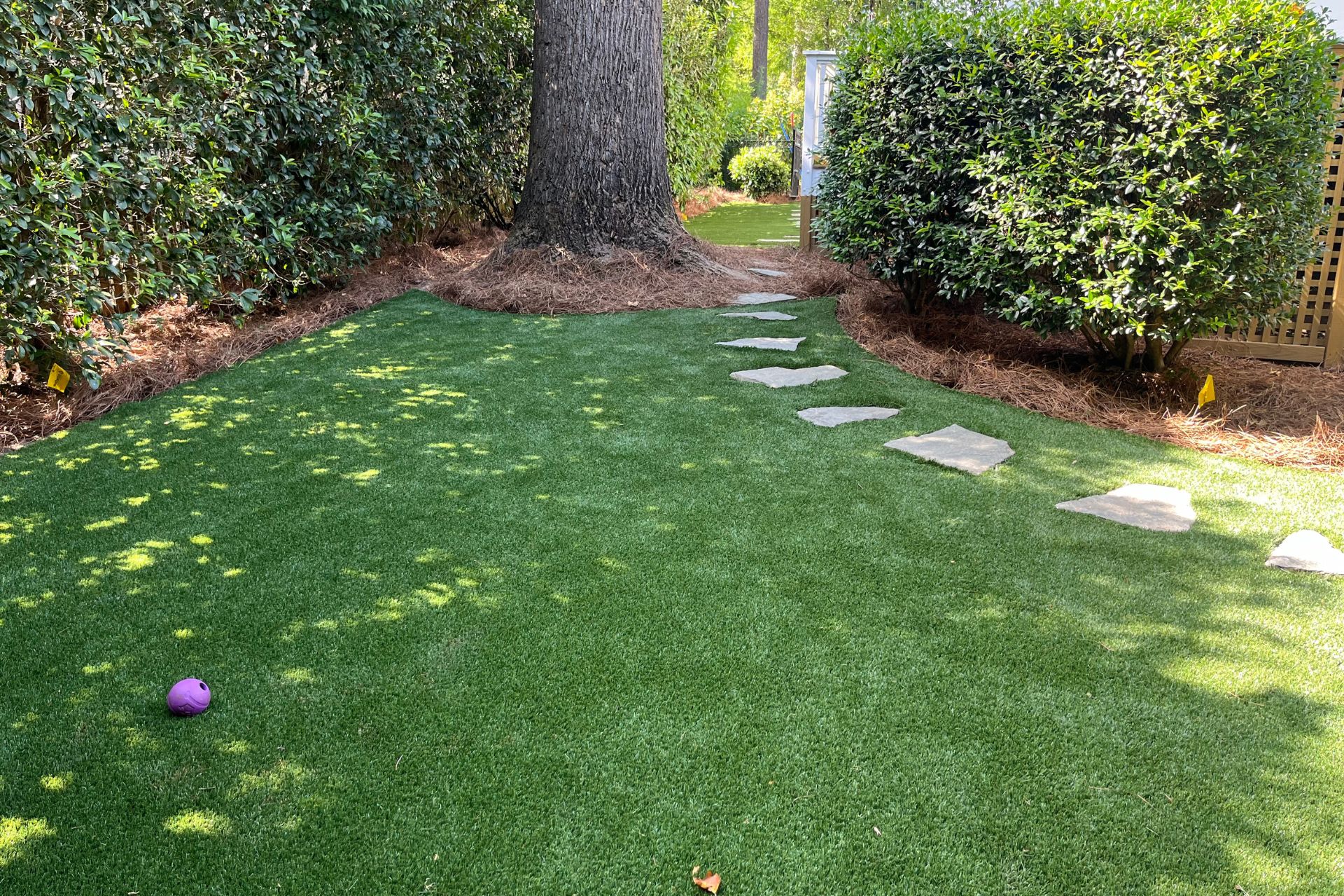
Check out our in-depth post on the Benefits of Artificial Turf and Artificial Lawns to understand all the advantages of synthetic grass. For those interested in a personal project, DIY artificial grass offers a convenient and rewarding way to achieve a beautiful lawn with minimal maintenance. The process is straightforward and can lead to an easy artificial grass installation.
Key Takeaways: Installing Artificial Grass
- A artificial grass lawn provides a hassle-free, low-maintenance solution for your outdoor space
- Proper ground preparation is crucial for a successful artificial grass installation
- Understanding the different types of artificial grass, their features, and what would suit your space the best; is crucial for a successful installation process.
- Ensuring a properly compacted and evenly spread base material is essential for a long lasting lawn.
- Careful installation techniques, such as seaming, cutting, and securing the edges; are essential for a professional-looking finish
- Finally adding sand to the entire surface holds down the artificial grass and ensures longevity
Preparation for Installing Artificial Turf Installation
Ensure your site is ready for installation by conducting a thorough inspection of the existing lawn or ground. Verify proper drainage and clear away any weeds, debris, or obstacles. Ensure the existing grass has been removed and three inches of the surface soil has been removed.
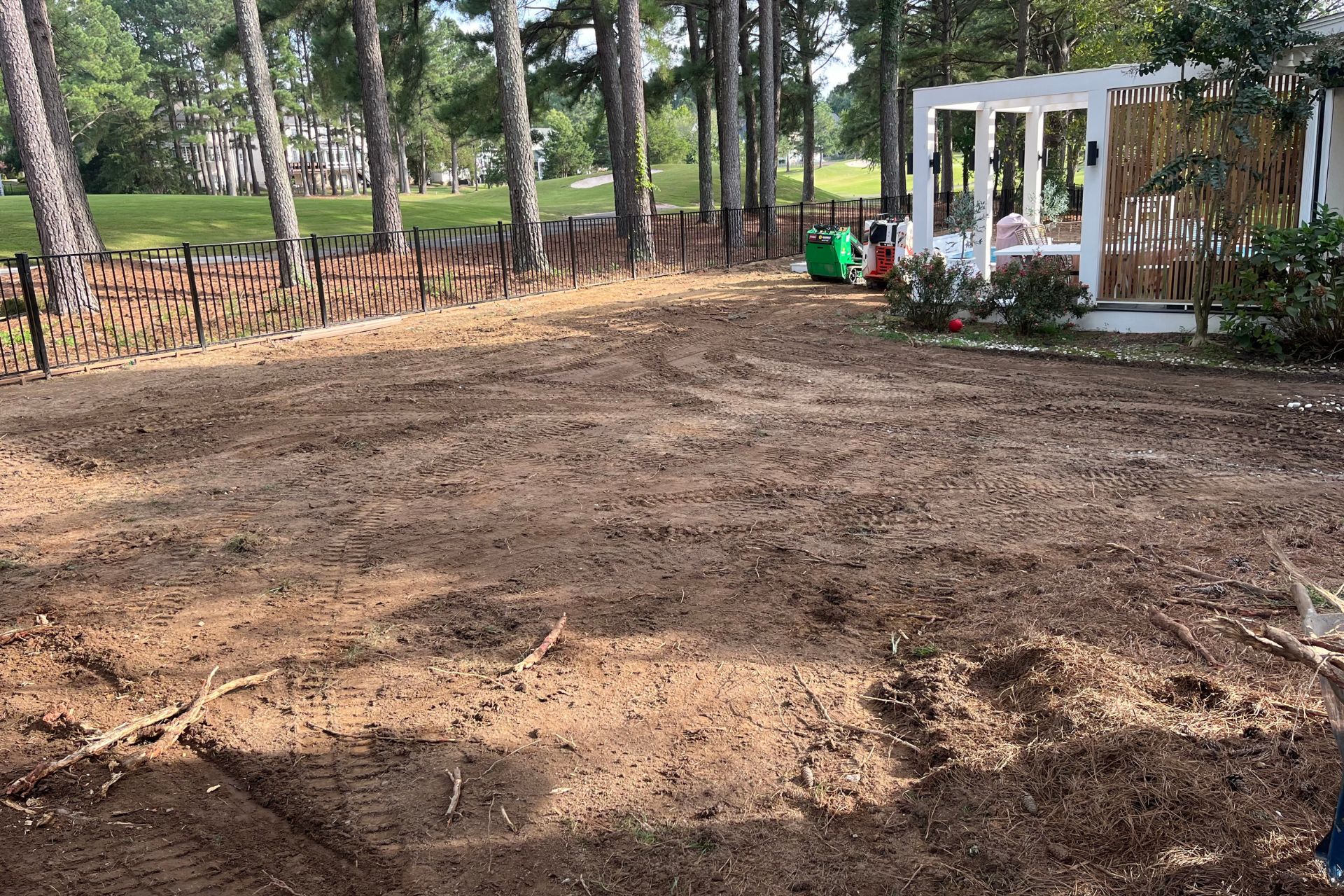
After inspecting the drainage in area, we would access to see if additional drainage is needed. If this is the case then we would install a french drainage system which would be tied into the down spots.
These preliminary steps will contribute to a smooth and successful installation of your artificial grass. Additionally, avoid laying artificial grass directly on existing natural grass to prevent drainage problems, weed growth, and an uneven surface.
Choosing the Ideal Artificial Grass fibers Selecting the right artificial grass is essential for achieving a lush looking lawn. Consider the following factors when selecting natural turf for your lawn:
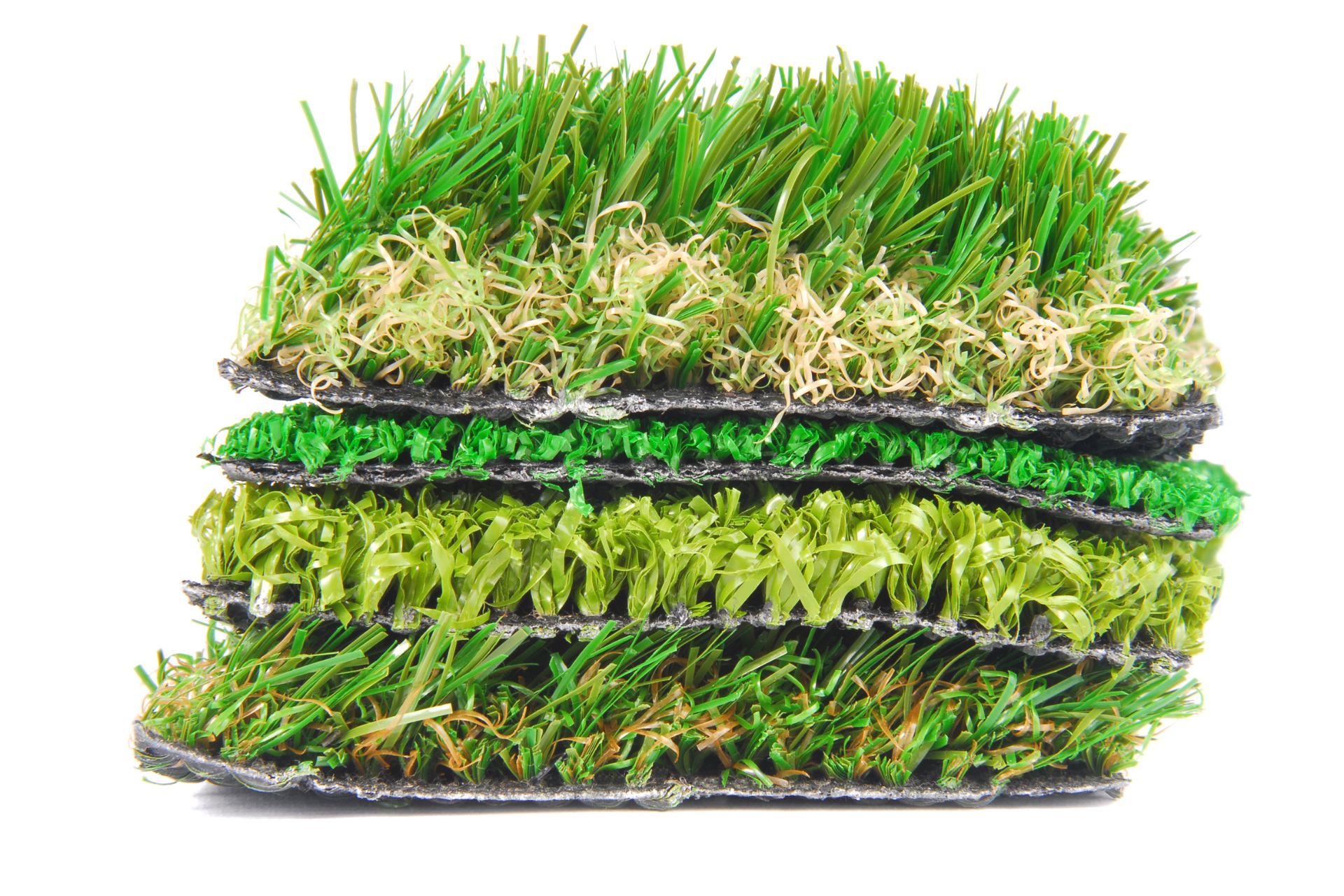
- Pile Height: The height of the grass blades. Taller piles can mimic the appearance of natural grass but may require more maintenance and be more expensive.
- Pile Density: The number of fibers per square inch. Higher density creates a fuller, more realistic look.
- UV Resistance: Ensure the turf is resistant to UV rays to maintain its color and prevent fading.
- Drainage: Choose artificial grass with good drainage properties to avoid water pooling and ensure a comfortable surface.
- Pet Specific Fibers: Households with furry friends require specialized artificial turf fibers for proper pet cleanup and easier maintenance.
By carefully when considering these factors, you can select the perfect artificial grass to enhance your outdoor space and meet your specific needs.
Preparing Your Ground for a Beautiful Artificial Lawn
At Whitetail Residential, we understand that a solid foundation is crucial for a successful artificial grass installation. By taking the time to create a solid base, you’ll ensure a durable, long-lasting, and visually appealing lawn. Following these best practices when laying artificial grass is essential to avoid common issues like uneven surfaces due to poor compaction.
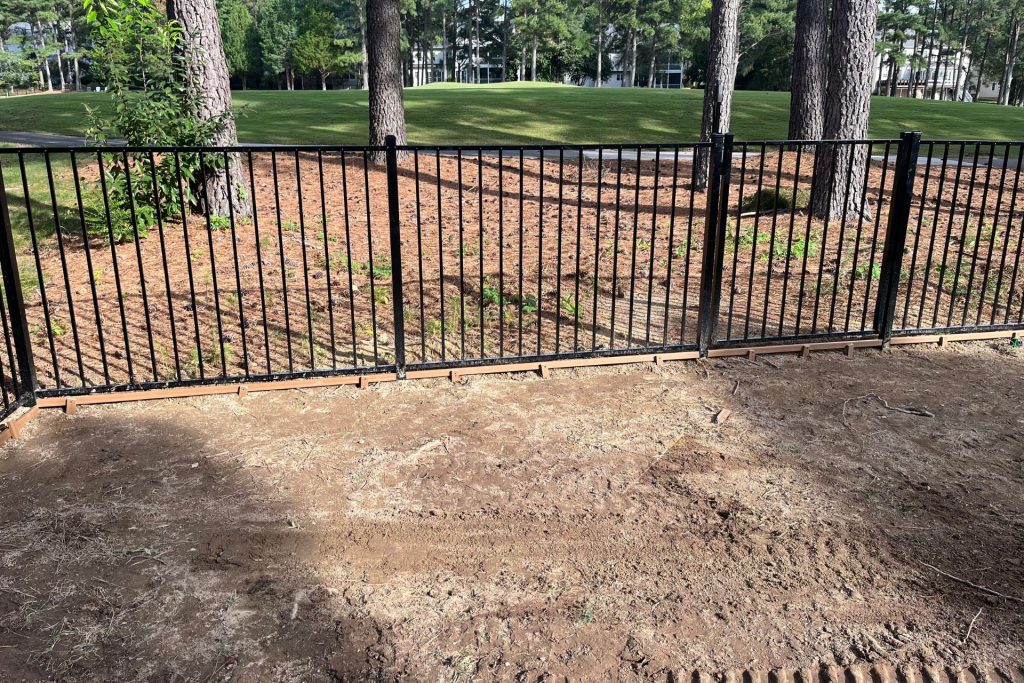
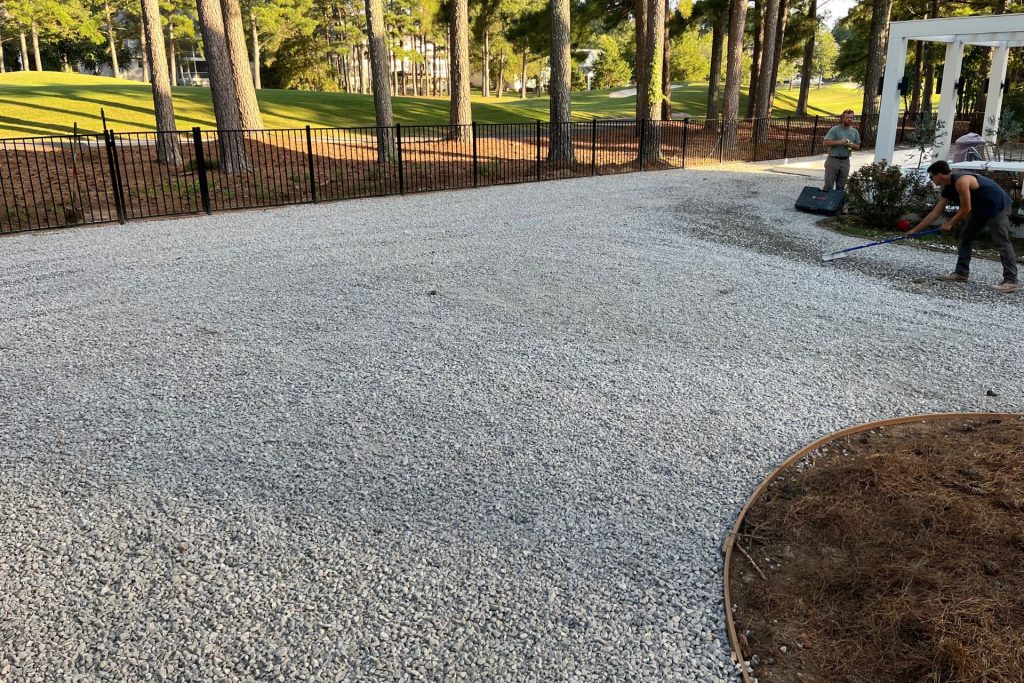
Key steps to prepare your ground:
- Remove Existing Lawn or Surface: Start with a clean slate by removing any existing natural grass and 3 inches of soil. This will provide a level and even base for your artificial grass.
- Frame up using Bender Board: In order to f